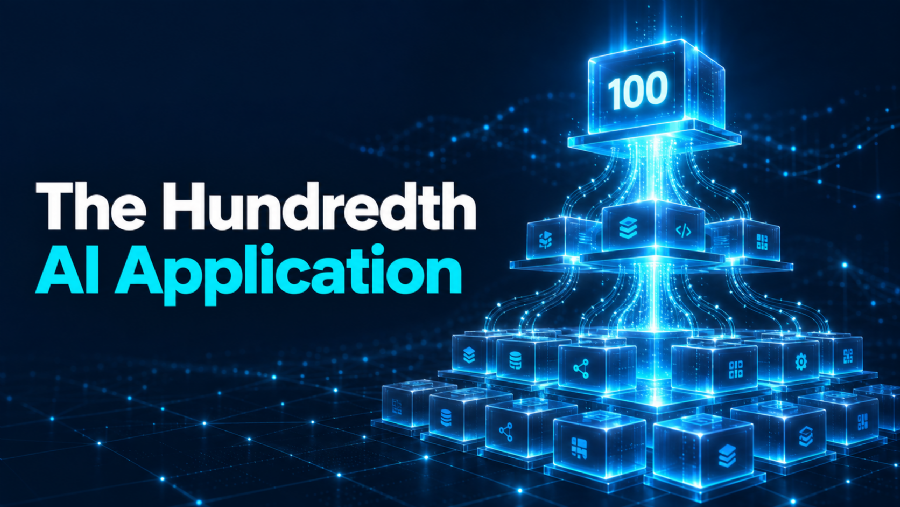
The Hundredth AI Application
How Geminos ArchWay and PathWay turn AI projects into a compounding enterprise capability. Generative AI has dramatically reduced the cost of creating a convincing prototype. A small team can connect a powerful model to…
Which Assets Should Amtrak Renew First—and Why? Turning fragmented asset evidence into a consistent, defensible renewal priority An Amtrak-specific decision brief based on publicly available information Amtrak's…
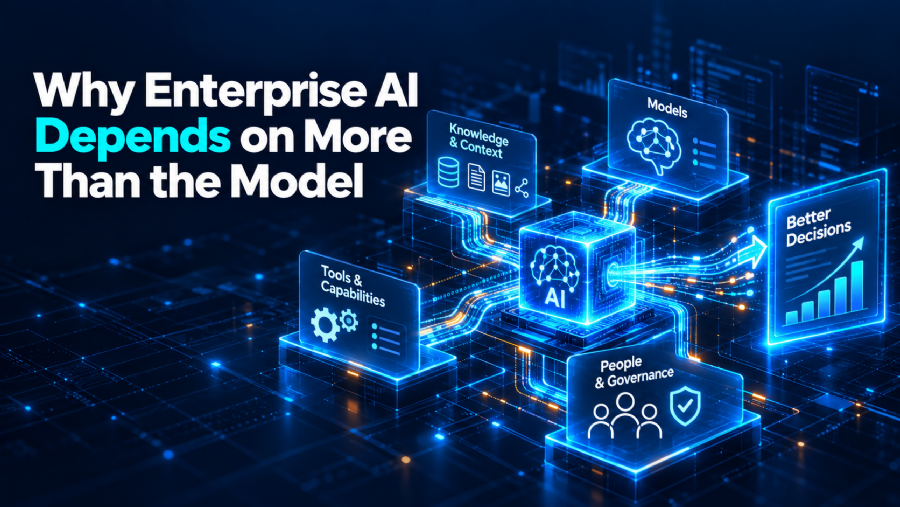
Enterprise AI has reached an awkward stage. The tools are powerful, the possibilities are clear and the experimentation is widespread. Yet most organizations are still struggling to turn that into systems they can rely…
One of the biggest challenges facing the rail industry today is not a lack of data. Quite the opposite. Rail operators generate enormous volumes of operational information every day across signalling systems,…
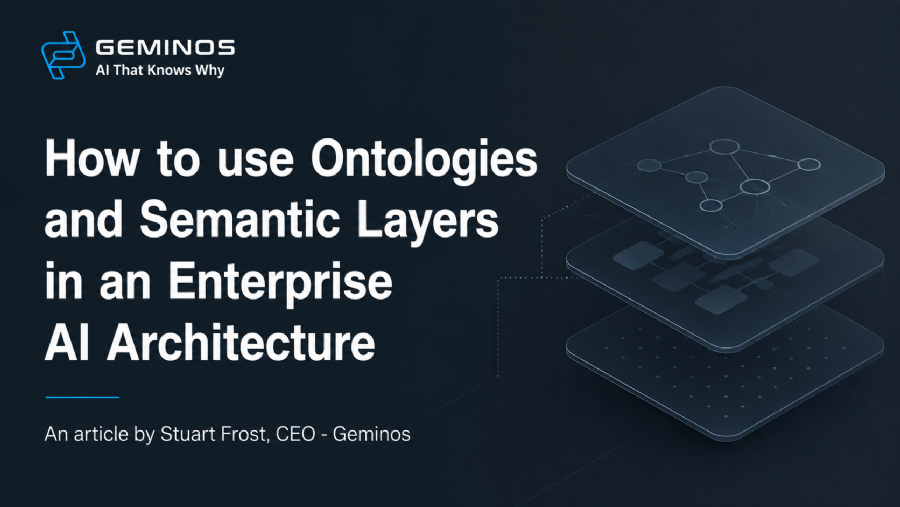
There’s a tendency to treat ontologies and semantic layers as interchangeable. They are closely related, and in modern architectures they often sit on top of each other, but they serve different roles. Confusing the two…
There’s a quiet mistake playing out across enterprise AI right now. Too many organizations are trying to solve every problem with the same tool—usually an LLM, sometimes “agents” and occasionally whatever their vendor…
There’s a growing narrative in AI circles that “vibe coding” is the future of software. The idea is appealing. You describe what you want in natural language, the system generates the application, and if it’s not quite…
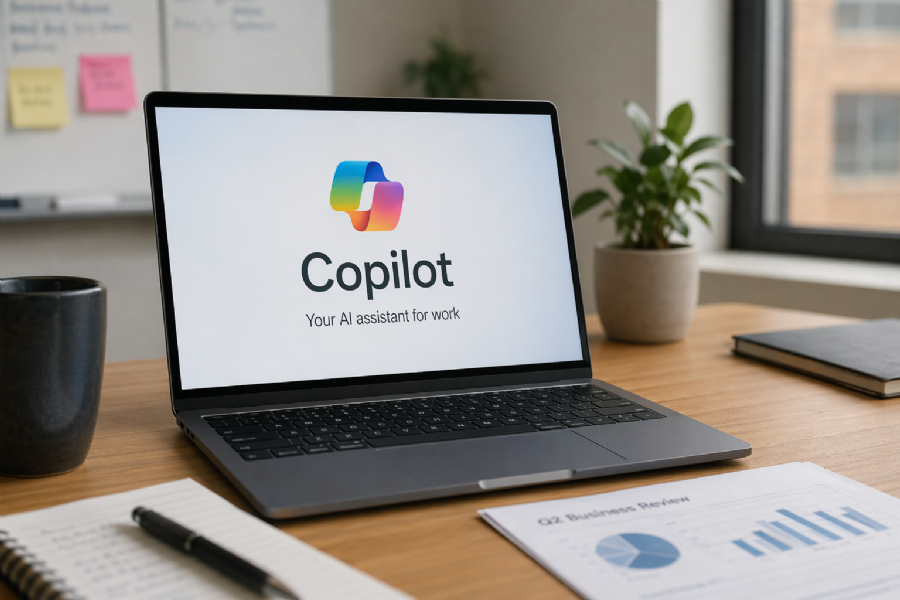
Microsoft Copilot has very quickly become the default way enterprises interact with AI. It sits inside the tools people already use, understands natural language and creates the impression that you can simply “ask the…
A recent BBC Sport feature set out to answer a deceptively simple question: what will football look like in 10 years? The experts interviewed, including performance scientists, data analysts, club executives and…
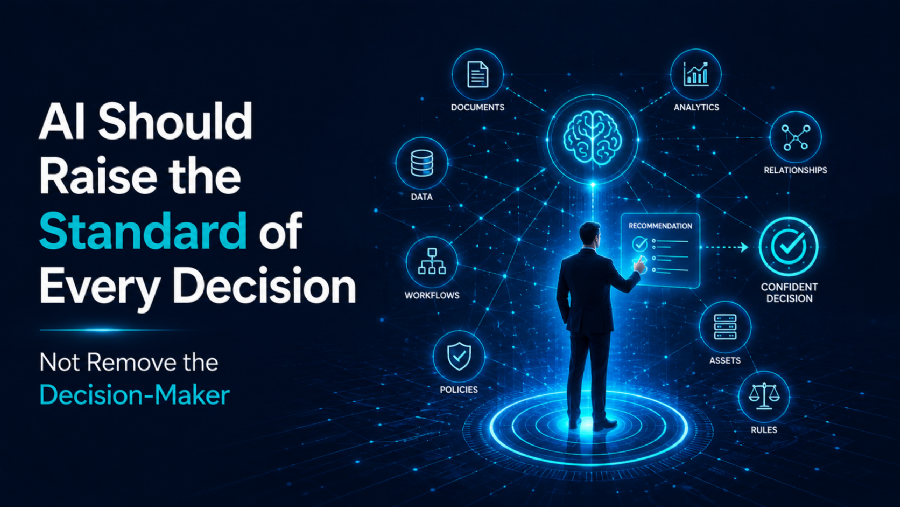
Most organizations today recognize the potential of AI to improve decision-making. Many have experimented with large language models (LLMs) and chatbot-style interfaces in the hope of unlocking value from their internal…
Over the past three posts, we explored a pattern that many enterprise leaders recognize. AI pilots are widespread and experimentation is accelerating, yet measurable ROI remains inconsistent. Current approaches struggle…
Traditional AI vs. Causal AI: The Future of Business Decision-Making Artificial Intelligence (AI) has rapidly transformed industries like healthcare, finance and manufacturing. Traditional AI, particularly machine…
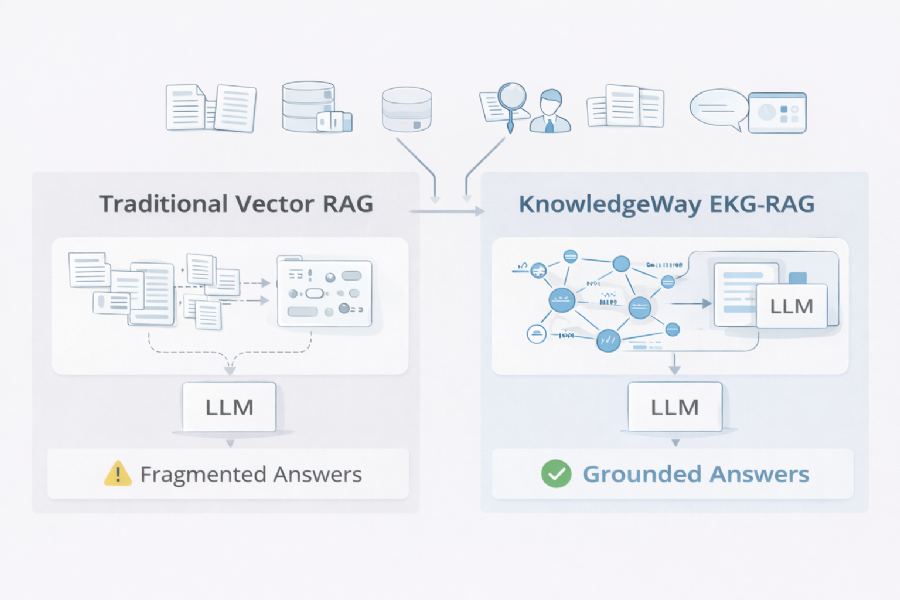
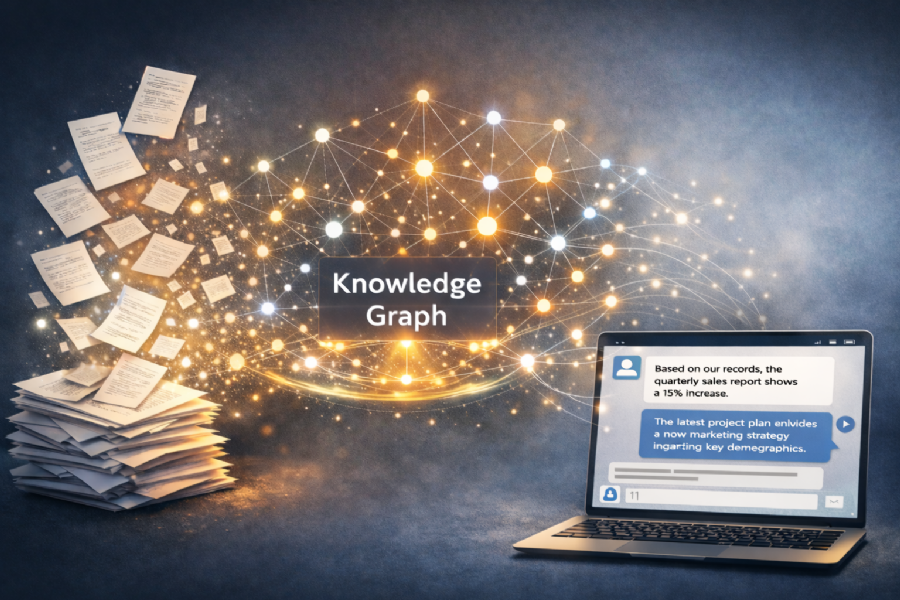
If current approaches to enterprise AI do not scale, the natural question becomes what does. As organizations push AI beyond isolated pilots, they quickly discover that document retrieval and similarity search are not…
In theory, enterprise AI should improve as it is exposed to more information. In practice, many organizations experience the opposite. As AI moves beyond small pilots and into broader deployment, performance becomes…
Over the past two years, enterprises have invested billions of dollars in artificial intelligence. Large language models are impressive, copilots are everywhere and pilot programs have launched across nearly every…
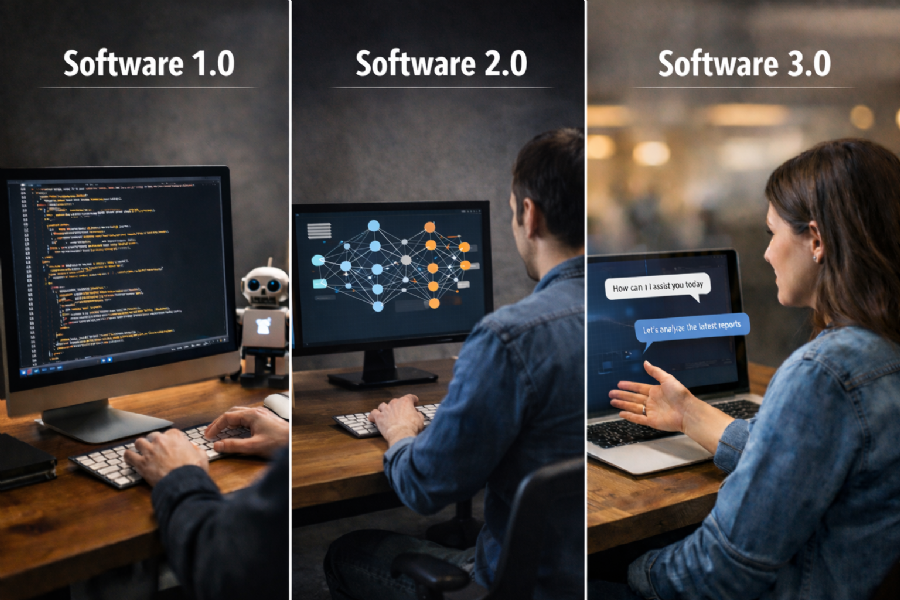
Over the past decade, software has undergone a quiet but profound shift. What began as hand written code evolved into systems trained from data. Today, we are entering a third phase, one that changes not just how…
Many organizations are experimenting with simple ways to use AI on top of their existing document repositories. A common approach is to connect a large language model directly to a SharePoint corpus using basic search…
For more than a decade, Palantir has been one of the few companies to demonstrate that large‑scale knowledge graphs and ontologies can deliver real value in complex, mission‑critical environments. In intelligence,…
Introduction Over the last couple of years, Geminos has gained great traction, helping large industrial customers make better decisions using Causal AI, which allows your software to reason based on cause-and-effect…
Traditional AI vs. Causal AI: The Future of Business Decision-Making Introduction Artificial Intelligence (AI) has rapidly transformed industries like healthcare, finance and manufacturing. Traditional AI, particularly…
Stuart Frost, CEO of Geminos, has been a driving force in AI and industrial digitization for over three decades. In a recent interview with Brainz Magazine, he shares his journey into Causal AI, the challenges of…
Authors: Judith Hurwitz and Stuart Frost Causal Artificial Intelligence AI is increasingly recognized as the dominant technological trend of the next decade. Although AI has existed for decades, its evolution has…
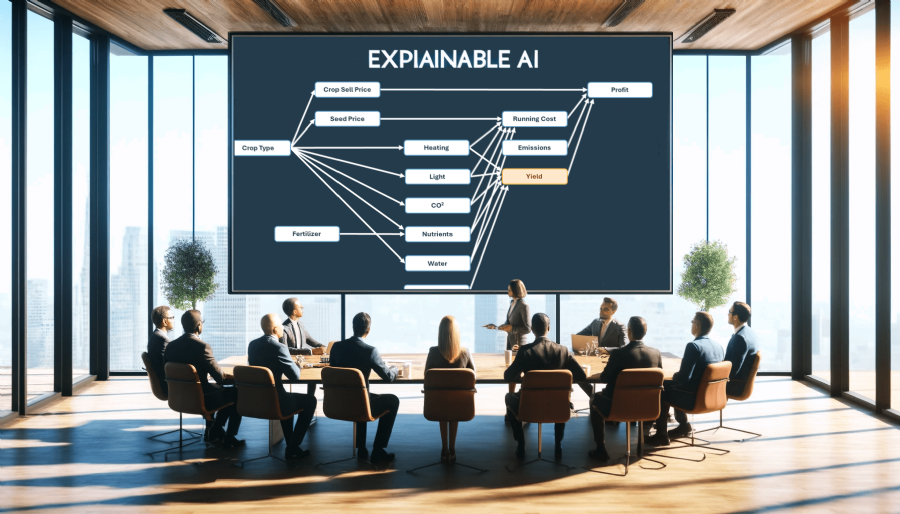
From Black Boxes to Clear Insights: The Role of Causal AI and Geminos Causeway in Explainable AI Introduction In the evolving landscape of artificial intelligence (AI), the need for transparency and understandability in…
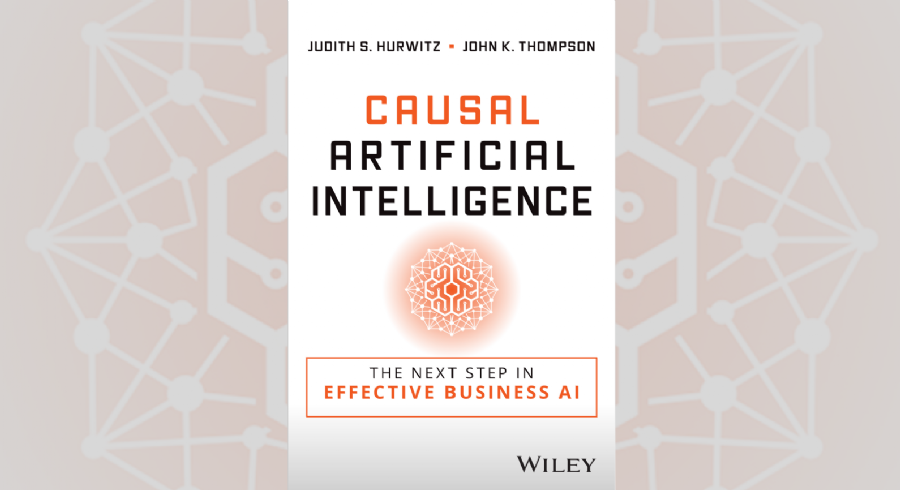
Get The First Chapter Free Complete the form to get the first chapter free In Causal Artificial Intelligence: The Next Step in Effective, Efficient, and Practical AI, a team of dedicated tech executives delivers a…
Introduction The revolution of Artificial Intelligence (AI) is taking us into uncharted territories of innovation and problem-solving. One such frontier is the intersection of Causal AI with large language models (LLMs)…
Introduction As the data-driven world continues to evolve, the quest for accurate and reliable insights becomes increasingly important. Data science teams have traditionally relied on correlation-based approaches to…
Microsoft DoWhy – The Most Successful Open-Source Causal Library The DoWhy library was developed by Microsoft researchers in 2018 with the goal of helping data scientists better understand and deploy causal inference.…
In 2019, Google carried out a study of gender discrimination in their organization. Shockingly, they found that men were actually paid less than women and increased men’s pay as a result. The US Dept. of Labor looked at…
Understanding causation instead of mere correlation is one of the hot topics within the AI community. Prof Judea Pearl’s breakthrough work on causality won him the Turing Award in 2011 and two economists shared the…
Introduction In recent weeks, there’s been a huge amount of press on the ‘Metaverse’, mostly driven by Facebook’s rebranding to Meta and their related announcements. Despite the mocked-up videos featuring Mark…
AI That Knows Why Understanding causation instead of mere correlation is one of the hot topics within the AI community. However, very few people understand how to merge causality with traditional data science and most…
At Geminos, we believe that the ‘next big thing’ in AI is causality. This belief is backed up by a series of recent data points: Articles that literally say “causality is the next important thing in AI” –…
We Need More Chandlers! OK, so Chandler wasn’t exactly a data scientist (and no Rachel, he wasn’t a “transponster”), but hopefully you get my point – we need a lot more people in data analytics if the new Industrial…